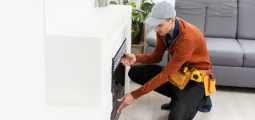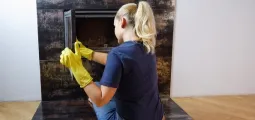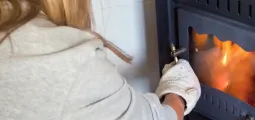
A few quick answers help us understand your home, so we can give you a clear, upfront quote for Pacific Energy Fireplace Repair Delta
Many fireplace repairs hinge on one practical puzzle: matching the right part to the right unit. Manufacturers refine their designs, product names change and older components are sometimes superseded by newer equivalents. Anyone in Delta who looked up “pacific energy fireplace repair” will find that puzzle explained below, along with what a repair visit looks like and how to keep Pacific Energy stove and insert repair straightforward, from the first phone call to the final test run.
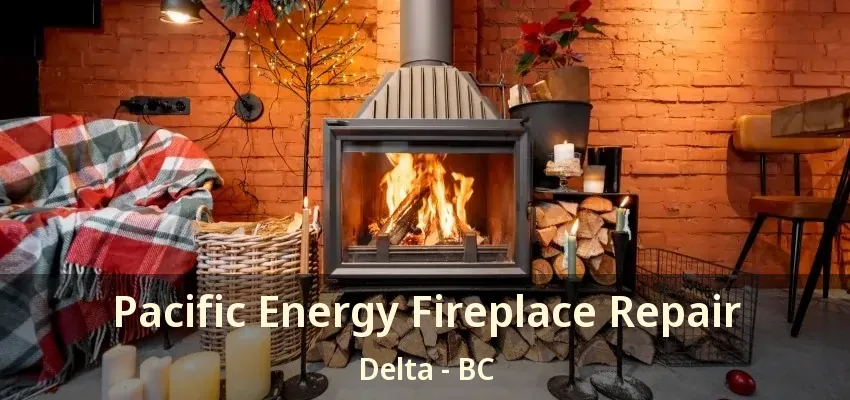
Not fundamentally. The stoves and inserts behind a search for “pacific energy fireplace repair” are built around the same clean-burning principles as many others: a sealed door, a baffle above the fire and secondary air that burns off the smoke. What differs from model to model is the shape of the baffle, how the air tubes are fixed and which gaskets and firebricks fit. A technician reads the rating label and works from the manual for that exact stove. Chimney Sweep Delta is an independent service company, so our job is to follow those instructions carefully rather than represent the manufacturer.
Usually, yes, provided the structure is healthy. When we assess an older unit, we look past the symptom to the shell: is the firebox intact, is the glass frame straight, are the vent connections solid? If those check out, repairing it is normally the sensible route. The picture changes when a gas control has been discontinued with no approved substitute, when steel has corroded from condensation, or when a stove has been overfired until its plates warped. In those cases we compare what it would take to keep it running with the option of replacing it, and the decision stays with you.
Cloudy glass can be harmless or a clue, depending on its color. The chalky white film we see on gas fireplaces builds up gradually and mostly affects appearance, though left for years it can bake on for good. Black soot is the one we pay attention to, because carbon forms when the flame is not getting the air or gas mix it needs. That sends us to the burner ports, the log or media layout and the vent. On wood stoves, dark glass after every fire usually points to low air settings or firewood that has not dried long enough.
A rattling, humming or squealing blower on a wood insert usually means dust and ash have built up on the fan wheel, a bearing is wearing out or the blower housing has worked loose. Many insert blowers sit under or behind the firebox and pull room air across hot steel, so they collect fine ash and pet hair over a season. A technician can often clean the wheel and secure the housing; a motor with failing bearings is replaced. Mention the sound, when it started and whether it changes with fan speed when you book Pacific Energy stove and insert repair. Never reach into the blower area while the stove is hot or plugged in.
Smoke in the room comes from one of two things: a leak or weak draft. To find a leak, we close the door on a strip of paper at several points; if it slides out easily, the gasket is no longer sealing. We also look at the glass gasket and the seams where plates meet. For draft, we check the flue for creosote or a blocked cap, look at how the stovepipe is routed and ask how fires are started. A cold chimney, a tight house with exhaust fans running and damp wood can each make a perfectly good stove smoke.
We work from the symptom backward. If a gas fireplace will not light, we watch what it does when you press the button or flip the switch: is there a spark, does the pilot form, does the main burner try? Each step narrows the problem to the ignition, the sensor, the valve or the supply. With a wood stove, the questions are about draft, sealing and wear, and the answers come from the gaskets, the baffle and how the fire behaves. Testing comes before replacing anything, so you are not paying for parts that were never the problem.
Plan on an hour or two for most visits, with exceptions we can usually predict. The unit needs to be cold before we open it, so a fireplace that was running that morning adds waiting time. Diagnosis is quick when the fault happens on demand and slower when it only shows up after the unit has been running a while. Parts are the other variable: if we carry the part, the repair usually happens on the spot; if it has to be ordered, we schedule a return trip and share what we know about delivery.
Give the technician the brand, model and serial number, the fuel type and whether it is a built-in fireplace, an insert or a freestanding stove. Then describe the problem as precisely as you can: what happens, when it started, whether it is constant or comes and goes and anything that changed around that time, such as a power outage, new batteries or renovation work. Mention any blinking lights or sounds, and what you have already tried. Photos of the label, the controls and the flame help a lot. Clear details often mean the right part arrives with the first visit.
Burning habits show up in a stove’s parts so clearly that we can usually tell how it has been run before we ask. Warped baffles, cracked bricks and discolored steel point to overfiring, often from loading lots of dry wood with the air control wide open. Heavy black glass and sticky creosote point the other way, to damp wood or fires starved of air. The stoves that age gracefully get steady, moderate fires of well-seasoned wood, regular ash removal and doors that are latched rather than slammed. Following the burn instructions in your manual protects the gaskets, glass and internal parts.
Whether you want to book now or just gather information first, we are glad to help. Ask your questions about Pacific Energy stove and insert repair, your stove or the timing that suits you. Contact Chimney Sweep Delta for homes across Delta.
Clearer draft, cleaner flue: Chimney Cleaning for Delta homes
Enjoy the fire after Chimney Sweep in Delta
Complete Chimney Sweep Services for Delta homeowners
Wood units, stoves and inserts: Fireplace Experts serving Delta
Fireplace smell at startup? Gas Fireplace Cleaning in Delta
Burner ports, pilot hood, glass: Gas Fireplace Maintenance around Delta