A few quick answers help us understand your home, so we can give you a clear, upfront quote for Fix Blocked Chimney Delta
Maybe you just took over a property with a fireplace nobody explained to you. Maybe you have run the same stove for many winters and never thought much about the flue above it. Either way, looking up “fix blocked chimney” means you are already asking the right questions. This page gathers what people in Delta usually want to know about blocked chimney clearing, explained the way a technician would at your hearth.
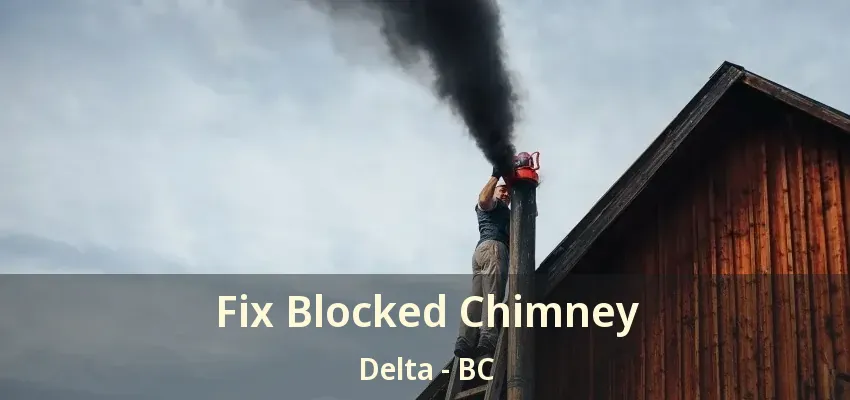
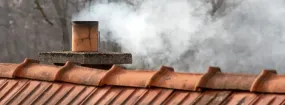
Signs of a chimney fire include a loud roaring or popping sound, dense smoke, a strong hot smell and sparks or flames from the top of the chimney, but many chimney fires burn quietly and are only discovered later. Afterward you might notice puffy, honeycomb-like flakes of creosote on the roof or ground, a warped damper or cap, cracked flue tiles or discolored metal. If you think a fire is happening, get everyone outside and call the fire department. If you suspect one happened in the past, stop using the fireplace or stove until the chimney has been inspected.
The clearest sign a chimney needs sweeping is black, flaky buildup you can see on the damper or falling into the firebox. Other clues often show up alongside it:
Any one of these is worth a check. Two or three together usually mean the flue is overdue.
A chimney that blocks again and again usually has an underlying cause that was never fixed. The most common is a missing or poorly fitted cap, which lets leaves, nests and animals in repeatedly. Overhanging branches feed debris into the opening. A deteriorating liner sheds tile pieces or mortar into the flue, and heavy creosote can flake off in sheets if burning habits stay the same. Clearing it each time deals only with the symptom. If you searched for “fix blocked chimney” hoping to solve it for good, ask the technician what caused this blockage and what would stop the next one.
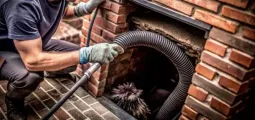
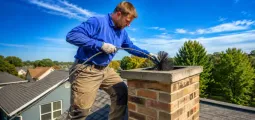
We clear a blockage by identifying the material and its position first, then removing it in a way that protects the liner. A camera usually answers both questions. Soft nests and leaves can be pulled down with grabbing tools or brushed through, while a plug of creosote flakes might need a rotary head to break it into pieces our vacuum can handle. Broken tile and brick are trickier: forcing them down can scrape or crack the liner, so we often lift them out from above. After the flue is open, we run the camera again to check for damage and to see whether the blockage was a symptom of something bigger.
Leave the fireplace or stove unused until the chimney is cleared, because even a partly blocked flue cannot carry away all the smoke and carbon monoxide a fire produces. Some smoke may still rise, which makes a partial blockage easy to underestimate. Close the damper and any glass doors, and if a furnace or water heater shares the chimney, mention it right away when you call. Keep CO alarms working on every level. If anyone in the household needs extra heat in the meantime, use a safe alternative rather than the blocked appliance.
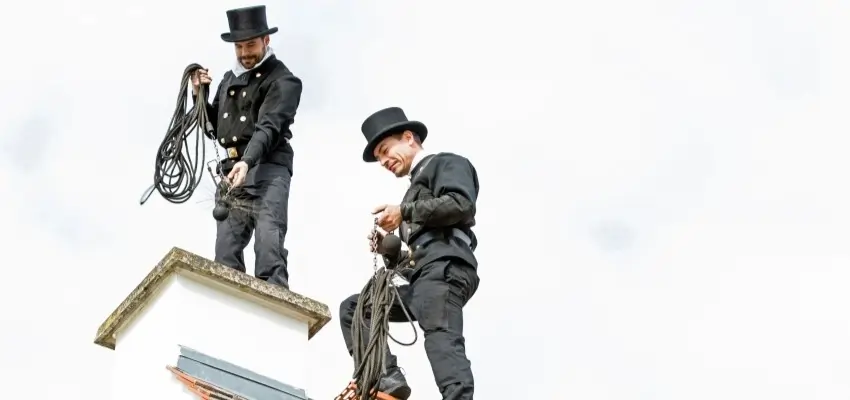
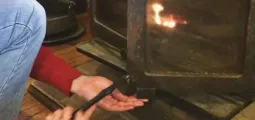
Your part is mostly to stop using it and gather clues. Do not light the fireplace or stove; if a furnace or water heater vents into the same chimney, mention it right away when you call and keep your carbon monoxide alarms working, and leave gas valves, burners and appliance settings to a qualified gas technician. Keep the damper shut if you suspect an animal. From the hearth, a flashlight can show whether debris is sitting on the smoke shelf. From the ground, check whether the cap is missing or damaged. Resist pushing poles up the flue. People who search “fix blocked chimney” sometimes make things worse by forcing debris tighter.
Any home with a fireplace, wood stove or gas appliance should have working carbon monoxide alarms on every level and near sleeping areas, along with smoke alarms. Carbon monoxide has no color or smell, so an alarm is the only dependable warning if a blocked or damaged flue pushes exhaust back indoors. Test alarms monthly, change batteries as the maker suggests and replace the units when they reach the end of their stated life. If a CO alarm sounds, get everyone outside and call the fire department from outdoors. Do not go back in until you are told it is safe.
A useful chimney report lists what was checked, the condition of each part and what the technician recommends, all in plain language. Expect the date, the type of appliance and flue, and notes on the cap, crown, flashing, liner, smoke chamber, damper and firebox. Photos or video stills should back up anything described as damaged. Recommendations are most helpful when they are ranked: what affects safety now, what should be planned soon and what to watch. Keep each report with your property records, since it helps when comparing repair quotes, tracking changes over the years and answering questions when you sell.
When we find damage, our job is to show it, explain it and let you decide, and you should expect the same from anyone. We take photos or footage, point out the exact spot and describe what happens if it is left alone. Some findings, such as a flue tile cracked by heat, mean the appliance should not be used until it is repaired. Others, like light flaking on a brick face, can be monitored for a season. We price each item separately in writing so nothing is bundled vaguely. If you want time to think or another opinion, that is completely reasonable.
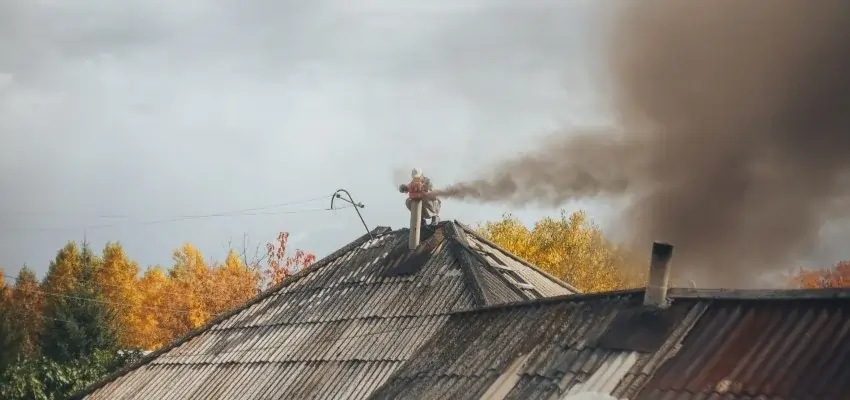
When the work is done, you should understand what was found, what was handled and whether anything needs attention later. That is how Chimney Sweep Delta closes every job. Book your visit and leave with a clear picture of your chimney.
Clearer draft, cleaner flue: Chimney Cleaning for Delta homes
Enjoy the fire after Chimney Sweep in Delta
Complete Chimney Sweep Services for Delta homeowners
Wood units, stoves and inserts: Fireplace Experts serving Delta
Fireplace smell at startup? Gas Fireplace Cleaning in Delta
Burner ports, pilot hood, glass: Gas Fireplace Maintenance around Delta