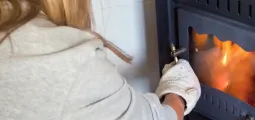
A few quick answers help us understand your home, so we can give you a clear, upfront quote for Fireplace Throat Services Delta
How long will it take? Can it be done without tearing everything out? When can we light a fire again? These questions come up in almost every conversation we have about fireplace work. For homeowners in Delta who searched for “fireplace throat services”, we have gathered the answers in one place, with practical notes on fireplace throat repair drawn from jobs in homes much like yours.
The throat is the narrow opening at the top of the firebox where smoke leaves the fire and enters the chimney system. In most masonry fireplaces, the damper sits in the throat, and just behind it is the smoke shelf, with the smoke chamber above. The shape of the throat helps the fireplace draft, so damage or poor construction there can cause smoke to spill into the room. People searching for “fireplace throat services” are usually dealing with a damper that sticks, debris on the shelf or crumbling masonry around the opening, all of which are part of throat work.
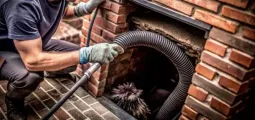
It is the transition zone between the throat and the flue, and it does more work than most people realize. Shaped like an inverted funnel, it gathers smoke and guides it into the flue opening. When we look up past the damper with a camera, we often find corbelled brick steps, missing mortar or a layer of glazed creosote clinging to rough walls. Those surfaces slow and swirl the smoke, which can push it back into the room and let deposits build. A smooth, sound chamber helps the fireplace draft properly and keeps hot gases away from the house structure.
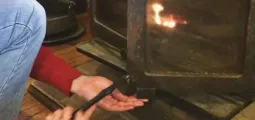
The giveaways are in how it moves and how the room feels. When we test a throat damper, we work the handle through its full range, watch whether the plate seats on its frame and look for daylight or soot streaks around the edges. Rust scale on the smoke shelf, a pivot that has seized and a plate bowed by heat are common finds. On windy days a loose damper can bang, and a gap you cannot close turns the chimney into a cold draft. Any damper that will not fully open needs fixing before the next fire is lit.
A careful crew protects the room with drop cloths, plastic sheeting and tape before any cutting, chipping or grinding starts. Masonry and tile work create fine dust, so the fireplace opening is often sealed and a vacuum with fine filtration runs during the dustiest steps. The flooring in front of the hearth and the path to the door should be covered too. Expect some noise and a little dust despite the precautions, especially if old mortar or a surround is being removed. Ask how cleanup is handled at the end of each day and once the job is done.
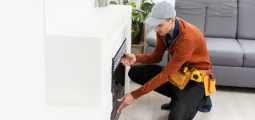
A throat service usually covers cleaning the throat and smoke shelf, checking and adjusting the damper and inspecting the masonry around the opening and up into the smoke chamber. Depending on what turns up, it can extend to freeing or replacing the damper, repointing joints with refractory mortar and smoothing the transition into the smoke chamber. A camera or mirror is used for areas that cannot be seen directly. When you collect quotes after a search for “fireplace throat services”, ask which of these steps are included as standard and which would be priced separately if needed.
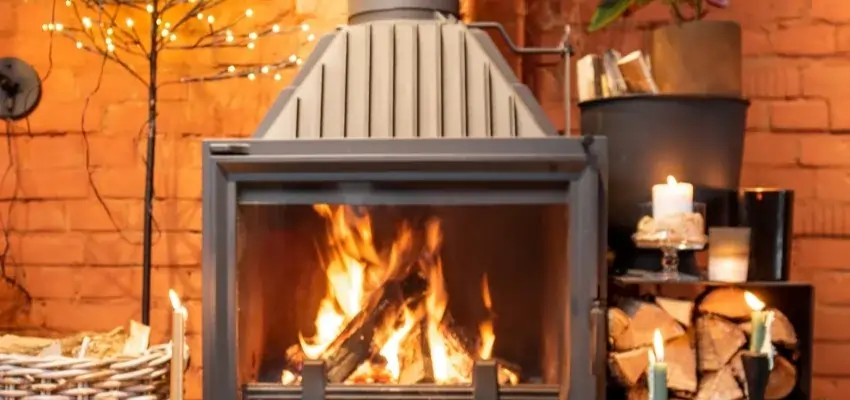
A throat damper can often be repaired if the problem is a seized pivot, a broken handle or debris, but a rusted-through or badly warped plate is usually replaced. One common replacement is a top-sealing damper, which mounts at the top of the chimney and closes with a cable that runs down to the fireplace. It seals tightly with a gasket and doubles as a cap that keeps rain and animals out. Its cost depends on the chimney size and access. The right choice depends on the damper’s condition, how the chimney is built and how tightly you want it to seal.
Clear the area around the fireplace well beyond the hearth: furniture, rugs, artwork above the mantel, screens, tools and anything on the mantel shelf. Stop using the fireplace a day or two before so the firebox is cold, and remove ashes if the crew asks you to. Plan a clear path from the door to the room and a spot to stage materials, such as a garage or driveway. If you are choosing finishes, have samples approved before the start date. Keep pets and children away from the work area and agree on where the crew can wash tools.
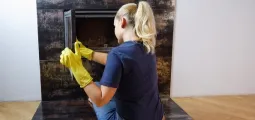
Most of what keeps a fireplace looking and working well happens between our visits. A yearly inspection is the backbone, because it catches mortar joints, damper parts and smoke chamber surfaces before they deteriorate. Day to day, the habits that matter are dry firewood, moderate fires and a hearth kept free of things that can scorch. New surrounds need little beyond gentle cleaning, though natural stone may benefit from occasional sealing if the supplier recommends it. On gas conversions, the yearly check shifts to the burner, ignition and venting. A short note after each visit helps everyone spot trends.
Local contractors know the housing stock, the common fireplace designs and the suppliers nearby, which makes planning and follow-up easier. Builders in the same neighborhoods often used similar fireboxes, dampers and surrounds, so a company that works the area has usually seen your setup before. Nearby crews can also return quickly when a project spans several visits for curing or materials. Before hiring, confirm the company works in your area directly, ask for local examples of similar work and check how it handles questions after the job is done.
Moving brings a long list of unknowns, and the condition of your fireplace is one of them. A visit from Chimney Sweep Delta replaces guesswork with a clear picture. Schedule fireplace throat repair as part of settling in.
Clearer draft, cleaner flue: Chimney Cleaning for Delta homes
Enjoy the fire after Chimney Sweep in Delta
Complete Chimney Sweep Services for Delta homeowners
Wood units, stoves and inserts: Fireplace Experts serving Delta
Fireplace smell at startup? Gas Fireplace Cleaning in Delta
Burner ports, pilot hood, glass: Gas Fireplace Maintenance around Delta