A few quick answers help us understand your home, so we can give you a clear, upfront quote for Fireplace Smoke Shaft Repair Delta
A fireplace is often the centerpiece of a room, which is why changes to it deserve some thought. Whether you are looking up “fireplace smoke shaft repair” to refresh a tired surround or to deal with damage you spotted inside the firebox, the answers below explain the work in everyday terms for homeowners in Delta. You will find what smoke shaft repair usually involves, what affects cost and timing and which parts of the job belong to specialists.
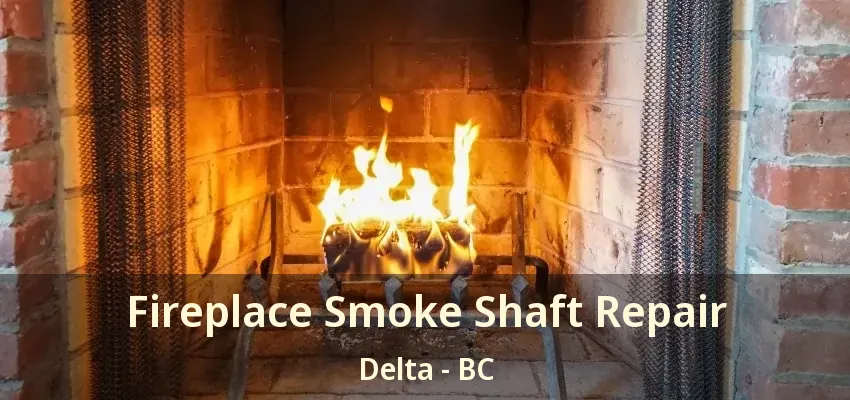
It is the transition zone between the throat and the flue, and it does more work than most people realize. Shaped like an inverted funnel, it gathers smoke and guides it into the flue opening. When we look up past the damper with a camera, we often find corbelled brick steps, missing mortar or a layer of glazed creosote clinging to rough walls. Those surfaces slow and swirl the smoke, which can push it back into the room and let deposits build. A smooth, sound chamber helps the fireplace draft properly and keeps hot gases away from the house structure.
In most homes we see, yes, but the answer comes from inside the fireplace rather than its surface. A dated surround over a healthy firebox and a working damper is a good candidate for improvement. Cracked firebricks, a rough smoke chamber or a rusted damper are worth fixing in their own right, since they affect how safely the fireplace burns. Where we hesitate is when the chimney itself needs major rebuilding, because then the budget conversation changes. We look at the whole system first, explain what we find and let you weigh appearance against function.
Lingering smoke usually means the draft has weakened as the fire cooled. A smoldering fire produces little heat, so a chimney that is cold, too short or partly blocked stops pulling well. Exhaust fans, a tight house and a damper that is only partly open make it worse. Rough or damaged surfaces in the smoke passage also slow the smoke and let it roll back into the room. Burning dry wood, letting the fire die out fully before closing the damper and cracking a window can help, but persistent smoke deserves a look at the whole passage during smoke shaft repair.
Look for cracked or missing firebricks, gaps in the mortar joints, smoke that drifts into the room, a damper that sticks or will not close, rust or flaking metal and stains or cracks on the surround or mantel. Bits of mortar or brick in the ash, a strong odor after rain and drafts when the fireplace is cold are other clues. Any of these deserves a professional look, ideally before the next fire. Many homeowners also have the fireplace checked once a year, which catches small problems while they are still simple to fix.
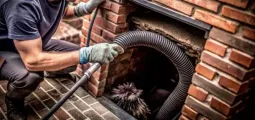
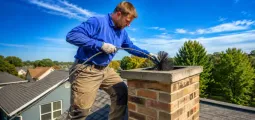
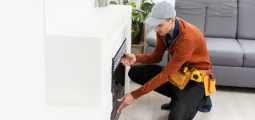
The inspection usually starts with a flashlight and mirror from the firebox, then a camera on a flexible rod that travels up past the damper through the smoke chamber and into the flue. The camera shows cracks, missing mortar, creosote and debris that cannot be seen from below. Sometimes the passage is swept first so the surfaces are visible, and a technician may also check from the roof. You should receive photos or video and a plain explanation of what each image shows. Ask for that record when you book an inspection after searching for “fireplace smoke shaft repair”, since it makes quotes easier to compare.
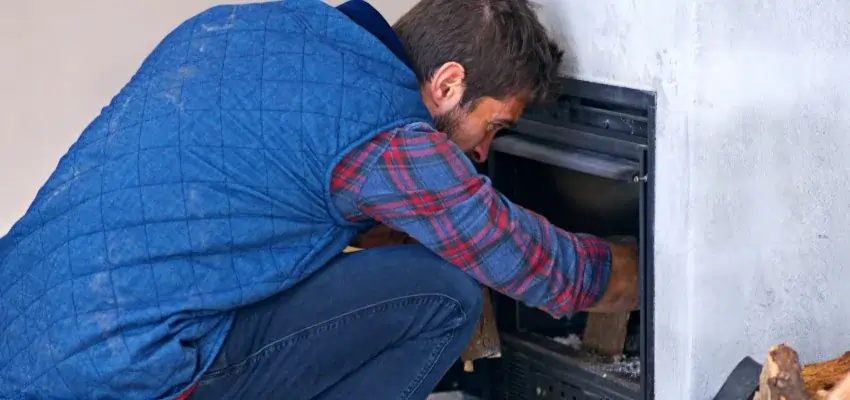
A damaged smoke chamber is usually repaired by cleaning it, resetting any loose bricks and coating the walls with a heat-resistant mortar, a process called parging. The coating fills the steps between bricks and seals cracks, leaving a smooth, sloped surface that guides smoke into the flue. The work is done from inside the fireplace and from above with specialized trowels and tools, and the result is checked with a camera. Because the surfaces must be clean for the coating to bond, a sweep comes first. The new surface then needs time to cure before the fireplace is used.
Small repairs, such as replacing a few firebricks or fixing a damper, often take a single visit, while refacing, mantel work or a conversion can take several working days spread over a week or two. Masonry and mortar need time to cure before the fireplace is used, and some finishes must set before the next layer goes on. Ordering stone, tile, a mantel or a gas insert can add weeks before work starts. Ask for a schedule that shows working days, waiting time for curing or materials and the earliest date you can light a fire again.
The ideal start is an empty room around a cold fireplace. We need space to set up dust protection, a route for heavy materials such as stone or a mantel and somewhere to mix or cut outside. Take down pictures or a TV mounted above the opening, since vibration from chipping can loosen them. Let us know about alarms, pets and parking. If a gas line is involved, the gas technician may need access to the meter or the basement. Final finish choices, like grout color or stain, should be settled before day one so the job does not stall.
Ask the contractor for a specific date, because it depends on the materials used. Mortar, refractory cement and some adhesives need time to cure before they face heat, and lighting a fire too soon can crack fresh joints or loosen new finishes. After masonry work, the first fires are usually kept small to drive out remaining moisture gradually. Gas conversions are tested by the installer before handover. Keep the first few fires modest, watch for smoke in the room and make sure your smoke and carbon monoxide alarms work.
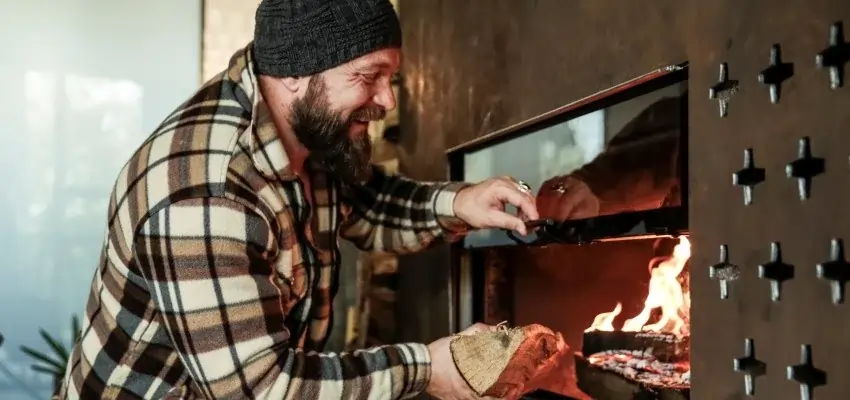
A storm, a heat wave or a long cold snap is a good moment to make sure everything at home still works the way it should. If anything about your fireplace has changed since the weather turned, a quick check is a sensible next step. Arrange a visit in Delta with Chimney Sweep Delta.
Clearer draft, cleaner flue: Chimney Cleaning for Delta homes
Enjoy the fire after Chimney Sweep in Delta
Complete Chimney Sweep Services for Delta homeowners
Wood units, stoves and inserts: Fireplace Experts serving Delta
Fireplace smell at startup? Gas Fireplace Cleaning in Delta
Burner ports, pilot hood, glass: Gas Fireplace Maintenance around Delta