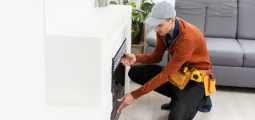
A few quick answers help us understand your home, so we can give you a clear, upfront quote for Fireplace Smoke Chamber Repair Delta
A fireplace is often the centerpiece of a room, which is why changes to it deserve some thought. Whether you are looking up “fireplace smoke chamber repair” to refresh a tired surround or to deal with damage you spotted inside the firebox, the answers below explain the work in everyday terms for homeowners in Delta. You will find what smoke chamber repair usually involves, what affects cost and timing and which parts of the job belong to specialists.
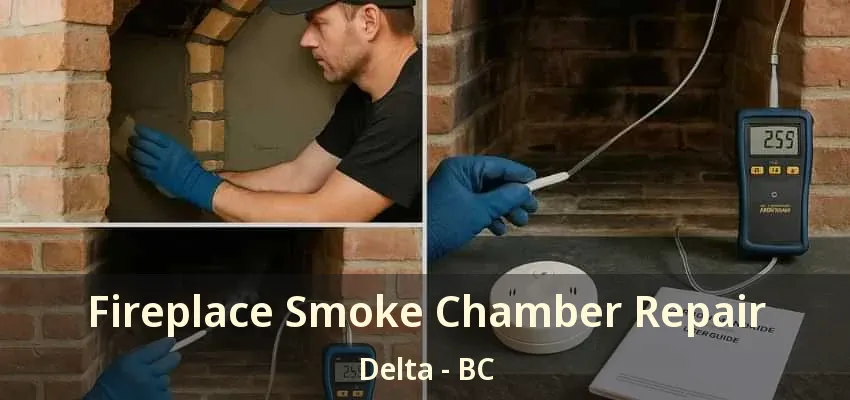
The smoke chamber is the sloped space above the damper that funnels smoke from the wide firebox into the narrower flue. Its walls should be smooth so smoke flows upward without turbulence. In many older fireplaces, the chamber was left with stepped bricks and rough mortar, and over time that mortar can erode or crack. The result can be poor draft, smoke in the room and creosote building up on rough surfaces, and gaps may let heat reach nearby framing. Because it is hidden, the smoke chamber is usually checked with a light or camera during an inspection.
Remodeling changes how a fireplace looks or what it burns, while repair restores parts that have worn out or been damaged. Refacing, a new mantel or a wood-to-gas conversion are remodeling jobs. Fixing cracked firebricks, a stuck damper, a deteriorated smoke chamber or rusted metal parts is repair. Many projects include both: a makeover often uncovers damage that should be fixed while the area is open, and a repair can be a good moment to update the finish. Knowing which kind of work you need helps you find the right people and compare quotes fairly.
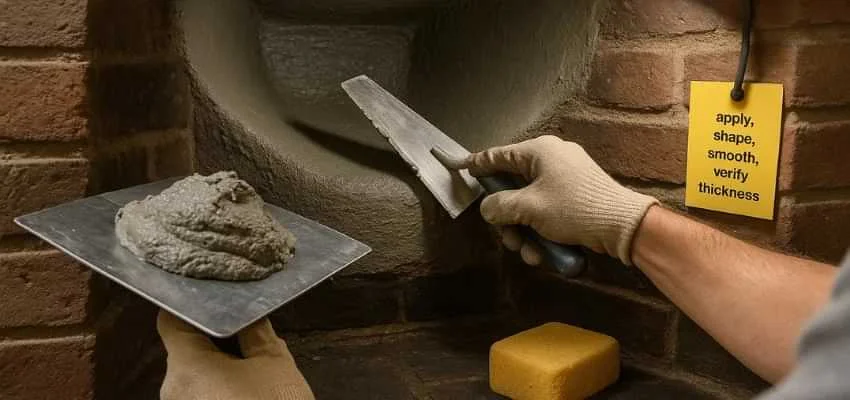
We clean first, repair second and coat last. Creosote and soot have to come off, or the new material will not bond. Loose or missing bricks in the chamber walls are reset, and open joints are filled. Then a refractory parging coat is built up until the corbelled steps disappear and the walls slope evenly toward the flue. Some systems are applied by hand, others sprayed on and smoothed; the method depends on access and the condition of the masonry. A camera pass before and after lets you see the difference, which would otherwise stay hidden above the damper.
No, they treat different sections. The smoke chamber sits between the damper and the flue, while a chimney liner runs up the flue itself to the top of the chimney. A cracked flue tile or an unlined flue calls for relining; rough or eroded chamber walls call for parging or rebuilding the chamber. Some homes need both, and doing them together saves a second setup. An inspection with a camera shows which parts are affected. When you request smoke chamber repair quotes, check that each one says clearly which section is included, so you are comparing the same work.
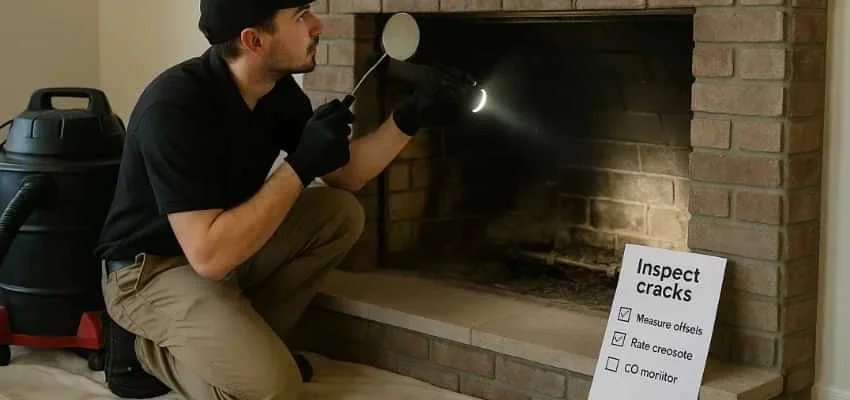
Because what we find inside often changes the plan, every project should begin with an inspection. A makeover quote means little if the firebox behind it is cracked, and a gas conversion depends on the condition of the flue it will vent through. We look at the masonry joints, the damper and its frame, the smoke chamber walls above it and the liner or flue tiles, and we measure the opening. Then we tell you what the existing fireplace can support. Doing this first also avoids the worst outcome: covering damage that someone later has to tear out again.
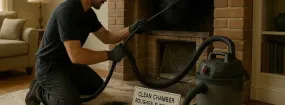
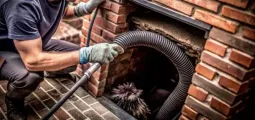
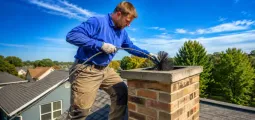
Most smoke chamber repairs are completed in a day, sometimes a little longer if bricks must be reset or the chamber rebuilt before parging. The chimney is usually swept first, which can happen the same visit or on an earlier one. After the coating goes on, it needs curing time before the fireplace is used, and the contractor should give you a date for the first small fire. Weather can matter if part of the work happens from the roof. Ask for the timeline in writing when you book after searching for “fireplace smoke chamber repair”, including any waiting time for materials.
It depends on where you live and what the work involves. Purely cosmetic changes, such as painting brick or swapping a mantel shelf, often need no permit, while gas line work, installing a new insert or fireplace, changes to the chimney or structural masonry frequently do. Rules differ from one municipality to the next, so check with your local building department or ask the contractor to confirm. A professional company should know the local requirements and tell you whether it will arrange the permit and inspection or whether that falls to you. Get that answer in writing before work begins.
Not safely, beyond the basics. We often find homemade repairs inside fireboxes: hardware-store mortar that has already crumbled, silicone smeared into joints and bricks set without proper bonding. Those fixes usually have to come out before the real repair can start, which adds work. What helps us most is a homeowner who watches for changes, keeps ash from piling up against the walls, avoids roaring fires and calls when something looks different. A yearly inspection then takes care of the parts you cannot see, such as the smoke chamber and the back of the damper.
When homeowners show us competing quotes, the gap usually comes from scope. One quote may cover a new surround but say nothing about the cracked firebricks behind it; another includes the repair and the curing time. We suggest laying them side by side and asking three questions of each: what exactly is being fixed, what exactly is being installed and what happens if something unexpected turns up when the old finish comes off. Clear, specific answers point to a contractor who has thought the job through. Vague ones usually mean extras later.
No jargon, no surprise add-ons and no long sales pitch. We explain what the work on your fireplace involves, what it costs and how long it takes, then you decide. Call (778) 403-2904 to talk it over with Chimney Sweep Delta.
Clearer draft, cleaner flue: Chimney Cleaning for Delta homes
Enjoy the fire after Chimney Sweep in Delta
Complete Chimney Sweep Services for Delta homeowners
Wood units, stoves and inserts: Fireplace Experts serving Delta
Fireplace smell at startup? Gas Fireplace Cleaning in Delta
Burner ports, pilot hood, glass: Gas Fireplace Maintenance around Delta