A few quick answers help us understand your home, so we can give you a clear, upfront quote for Fireplace Restoration Delta
Much of a fireplace is hidden from view. Above the opening sit the throat, the damper and the smoke chamber; around it sit the surround, the hearth and the mantel. Homeowners in Delta who search for “fireplace restoration” are usually dealing with one of these areas and wondering how the others relate to it. The answers here connect the pieces and explain how hearth and firebox restoration fits into the bigger picture of a fireplace that is both safe and good to look at.
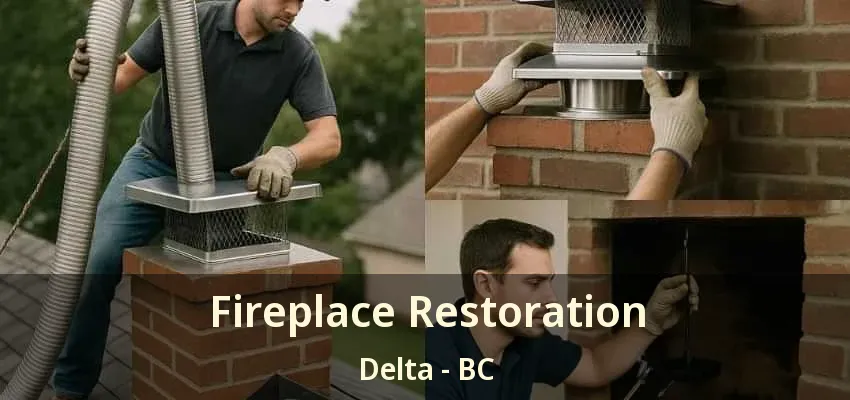
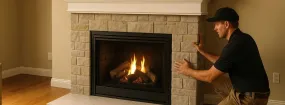
In an older home, fireplace restoration means bringing the original fireplace back to safe working order while keeping the features that give it character. That can involve rebuilding a worn firebox, repairing the damper and smoke chamber, lifting long-built-up soot from brick, resetting original tiles and refinishing cast iron or wood. The aim is authenticity as well as safety, so materials are matched as closely as possible. If you searched for “fireplace restoration” because the fireplace came with the house and its history is a mystery, an inspection will show what can be saved and what must be rebuilt.
Restoration is usually the stronger choice when the structure is sound and the fireplace has character worth keeping, such as original brick, tile, cast iron or carved woodwork. Restoring means repairing the firebox, damper and smoke chamber, then cleaning, repairing or refinishing the visible parts. Replacement makes more sense when the firebox is failing badly, the fireplace was poorly built for safe use or you want a completely different style or fuel. An inspection shows which path fits, and many homeowners end up with a mix: restored structure and refreshed surfaces.
The signs show up in how the doors move and how they look. Doors that drag, sag or spring open, glass with cracks or heavy clouding, mesh with holes that let embers through and frames that have come loose from the masonry are all reasons to call. We see most door damage on fireplaces that were run hot with the doors shut, which overheats glass and metal, and on older sets whose fasteners have rusted. Often the fix is a new hinge pin, a latch, a mesh panel or replacement glass rather than a whole new enclosure.
Look for materials that do not belong. Gray hardware-store mortar between firebricks, caulk or silicone in joints, ordinary red brick patched into the firebox and paint covering cracks inside the opening are all signs of a repair that will not last. Outside the firebox, mismatched mortar color, smeared joints and a mantel fastened too close to the opening are common. Poor repairs often fail again quickly and can hide damage. If you are researching “fireplace restoration” in a home with a history of patch jobs, ask for an inspection that notes earlier repairs as well as new damage.
Heat cycling does most of the damage, with help from moisture and knocks. Every fire expands the face of the brick faster than its back, and over many seasons that stress opens cracks. Water from a missing cap or a damaged crown soaks into the brick and freezes or turns to steam, which flakes the surface away. Grates jammed against the back wall and heavy logs tossed in chip the edges. When we inspect, we tap and probe: a cracked brick that is still tight gets noted, while one that moves, or a joint we can rake out with a finger, gets repaired.
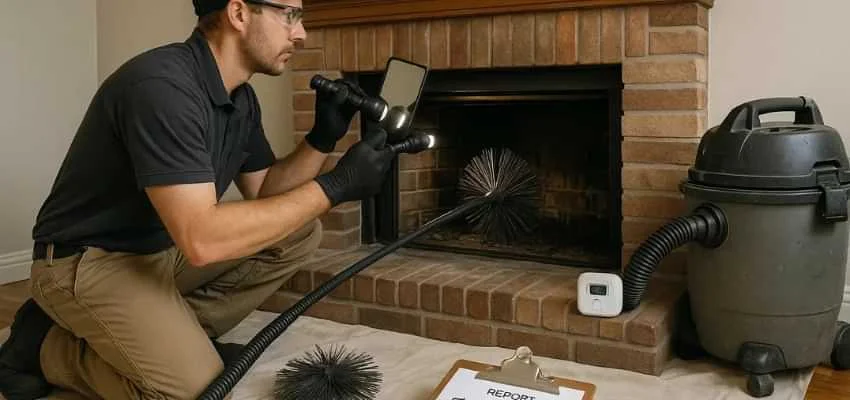
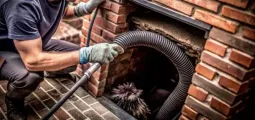
An inspection comes first because it shows whether the fireplace is safe to use and sound enough for the planned work, so you do not spend money on a new face over a failing core. A technician typically checks the firebox walls and floor, the damper and throat, the smoke chamber, the flue and the clearances around the opening, often with a camera for the hidden parts. If problems turn up, they can be fixed before finishes go on, when access is easiest. It is a sensible routine on its own too: many homeowners have the fireplace and chimney inspected once a year.
We give every customer a first-fire date, and it is set by the slowest-curing material in the job. Fresh mortar and refractory products hold water, and heating them too fast turns that water to steam inside the joint, which can crack it before it has hardened. So after firebox, throat or smoke chamber work, we recommend a few small fires before a full one. Tile and stone surrounds have their own adhesive cure times. Gas units are lit and tested on installation day, then left ready to use. Call us if anything looks or smells unusual during those first fires.
Ask to see their work, inside the firebox as well as on the wall. A company that does fireplaces well can show you finished surrounds and mantels, but also the less glamorous jobs: rebuilt fireboxes, parged smoke chambers and replaced dampers. Those pictures tell you it understands the working parts, not just the decoration. Listen for questions about your chimney and how you use the fireplace. A contractor who mentions an inspection before quoting, explains curing time and says which parts of the job go to a gas technician or other specialist is usually a safe pick.
Knowing the area saves time on almost every fireplace job. In older and newer neighborhoods alike, we see the same brick styles, the same original dampers and the same surround materials again and again, so we can often predict what is behind a finish before it comes off. We also know which suppliers stock matching brick, stone and refractory materials and how long their orders take. Projects that need several visits, with curing time in between, run more smoothly when the crew is close by. And if a question comes up after the work, you can reach us directly.
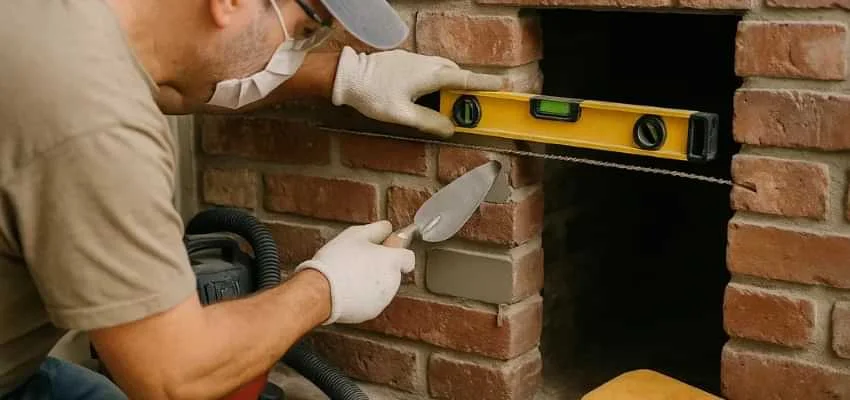
When you call, you speak with people who know the work and can answer practical questions about your fireplace. Reach Chimney Sweep Delta at (778) 403-2904 and we will help you decide on the next step for your home in Delta.
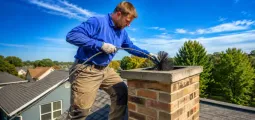
Clearer draft, cleaner flue: Chimney Cleaning for Delta homes
Enjoy the fire after Chimney Sweep in Delta
Complete Chimney Sweep Services for Delta homeowners
Wood units, stoves and inserts: Fireplace Experts serving Delta
Fireplace smell at startup? Gas Fireplace Cleaning in Delta
Burner ports, pilot hood, glass: Gas Fireplace Maintenance around Delta