A few quick answers help us understand your home, so we can give you a clear, upfront quote for Fireplace Company Near Me Delta
A wood fire is one of the simple pleasures of the colder months, and keeping it that way takes a little care behind the scenes. If you searched for “fireplace company near me”, you are probably weighing what your fireplace needs now and what can wait. This page gathers straight answers for homeowners in Delta about fireplace service: what a technician looks at, what tends to wear out and which small habits keep fires burning cleanly between visits.
A sweep removes soot and creosote, while an inspection checks the condition of the fireplace or stove and the chimney it vents into. Cleaning tells you how much buildup there was; an inspection tells you whether everything is sound and set up correctly. Many homeowners book both together, because a clean flue is easier to examine and the technician can spot cracks, gaps or worn parts that the deposits were hiding. If you can only schedule one, start with an inspection, since it shows whether a sweep or a repair is needed at all.
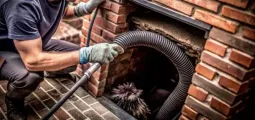
During a fireplace sweep, the technician cleans the full smoke path from the firebox to the top of the chimney while keeping soot out of your room. A typical visit starts with drop cloths and a sealed opening, with a vacuum running to hold fine dust back. Brushes on flexible rods are then run through the flue, from below, from the roof or both. The smoke shelf and smoke chamber above the damper are cleared, the damper is cleaned and tested, and ash and debris are removed from the firebox. You should get a short summary of what was found.
The schedule depends on how much you burn and how cleanly, more than on the calendar. For a household with occasional fires, a yearly visit usually finds a light layer ready to come out. Someone heating with a stove every day may need cleaning before the season ends, especially if the wood is not fully seasoned. Signs between visits help too: black flakes on the hearth, slower starts and darker glass all suggest buildup is growing. Jot down the date of each sweep along with how heavy the deposits were, and after a season or two the right interval becomes clear.
Start with a cold firebox and clear floor space; those two things make the biggest difference on the day. Ashes need to be cool enough to handle safely, so skip the fire the evening before, and we need room in front of the hearth to lay down covers and set up a vacuum. Fragile pieces on the mantel are better moved by you than by us. Outside, we look for a level spot for a ladder and an easy route to it. A dog that dislikes visitors, an alarm code or a sticky gate are all worth mentioning ahead of time.
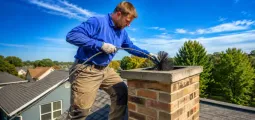
Many chimneys can be cleaned from inside, through the fireplace opening or stove, but a complete job often includes a look from the roof as well. Working from below with flexible rods handles plenty of flues, especially with a vacuum holding the dust back. The roof is where the cap, crown, flue top and outside masonry can be checked, and some caps or tight bends make cleaning from the top easier. Technicians only go up when weather and roof conditions allow it safely. Mention steep pitches, fragile roofing or tight ladder space when you book.
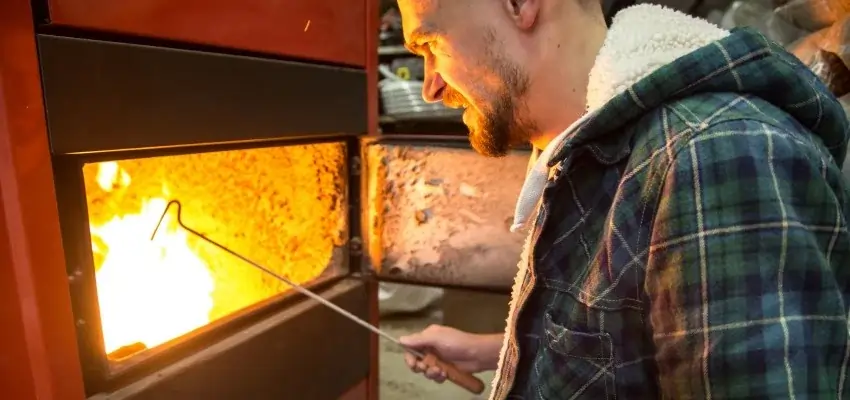
One visit usually covers a sweep, an inspection and small fixes that need no curing time. That can include clearing a nest, freeing a sticky damper, replacing a damaged screen, fitting a new chimney cap or resealing a stove door gasket. Larger jobs such as firebox rebuilding, crown work or tile replacement normally need a second appointment, both for materials and because mortar must cure before a fire. When booking, describe the problems you have noticed, so the technician arrives with the parts most likely to be needed and can finish more on the first trip.
Everyday upkeep is a homeowner job, but sweeping and inspecting the chimney are better left to a professional. Safe tasks include removing cold ashes, cleaning glass doors with a product made for fireplace or stove glass, keeping the hearth area clear, checking that the damper opens and closes and testing smoke and carbon monoxide alarms. Brush kits are sold, but they cannot tell you whether the liner is cracked, the smoke chamber is coated or the cap is damaged, and climbing onto a roof brings its own risk. A professional visit includes a look at the parts you cannot see.
Local knowledge is the main reason: after enough visits in one area, we know its chimneys almost by heart. We learn which subdivisions have factory-built fireplaces from the same period, which older streets have unlined masonry flues and how local freezes, heat waves or storms treat crowns and caps. That background makes quotes more accurate and visits quicker. It also means Chimney Sweep Delta is close by if something comes up later or you want a second look. For homeowners in Delta, that familiarity usually saves time on the first visit and every one after it.
Ask directly where the team is based and which neighborhoods it covers, then confirm that the same company will send its own technician. Search results for “fireplace company near me” sometimes show referral services that pass jobs to whoever is free, which makes follow-up harder. A local address, a phone answered by someone who knows the work and familiarity with homes in your part of Delta are good signs. It also helps to ask how soon they could return if a repair needs a second visit, since distance affects scheduling more than most people expect.

A quote is easier to trust when it is based on your actual home. Share the basics, such as the type of home and what prompted the call, and we will explain what fireplace service would involve. Ask for your quote here, with no obligation to book.
Clearer draft, cleaner flue: Chimney Cleaning for Delta homes
Enjoy the fire after Chimney Sweep in Delta
Complete Chimney Sweep Services for Delta homeowners
Wood units, stoves and inserts: Fireplace Experts serving Delta
Fireplace smell at startup? Gas Fireplace Cleaning in Delta
Burner ports, pilot hood, glass: Gas Fireplace Maintenance around Delta