A few quick answers help us understand your home, so we can give you a clear, upfront quote for Dryer Vent Cleaning Delta
Pulling fluff off the screen every time you run the dryer is worth doing, yet it covers just one piece of dryer care. The vent behind the machine needs attention too, only far less often. If “dryer vent cleaning” is what you typed, the answers on this page give homeowners in Delta a clear picture of dryer vent service and how it fits into ordinary home upkeep, alongside chores like changing furnace filters or clearing gutters.
Not in the usual sense, because a ventless dryer has no duct to the outdoors. Condenser and heat pump models cool the moist air inside the cabinet, collect the water in a container or send it to a drain and reuse the dried air. They still need care, though: the lint screen after every load, plus a second filter or a condenser unit that has to be rinsed or brushed as the manual describes. If you are reading about “dryer vent cleaning” and are not sure which type you own, look behind the machine. A round outlet with a hose attached means it is vented; no outlet at all means it is not.
Gas and electric dryers both need a clear vent, and a gas dryer has one extra reason: its vent also carries combustion gases outside. If lint blocks the path, those gases have fewer places to go. That is why homes with a gas dryer should have working carbon monoxide alarms, especially near the laundry area and the bedrooms. Leave the gas connection alone, since moving the dryer or touching the supply line is a job for a qualified technician. If you ever smell gas, leave the home and call your gas utility from outside. The cleaning itself is very similar for both types.
The pattern we hear most is a dryer that used to finish a load in one cycle and now needs two. That change happens gradually, so people adapt without noticing. Other things we look for on arrival: a scorched-dust smell near the machine, a top panel that is hot to the touch and a weak puff of air at the exterior opening. Sometimes the dryer shuts off mid-cycle because its overheat protection has tripped. When several of these show up at once, the vent is almost always involved, and clearing it is the first fix to try.
We clean roof vents from the laundry side first and finish at the cap, and they are some of the most packed vents we see. Lint travels up the vertical section, loses speed and falls back, so it builds in layers near the bottom of the riser and again at the cap. Many roof caps were never designed for dryers and have small openings or screens that collect lint quickly. Our rods have to be long enough for the full rise, and we only go up to the cap when the weather and pitch make it safe to be on the roof. Sometimes we suggest a cap made for dryer exhaust, which stays clear much longer.
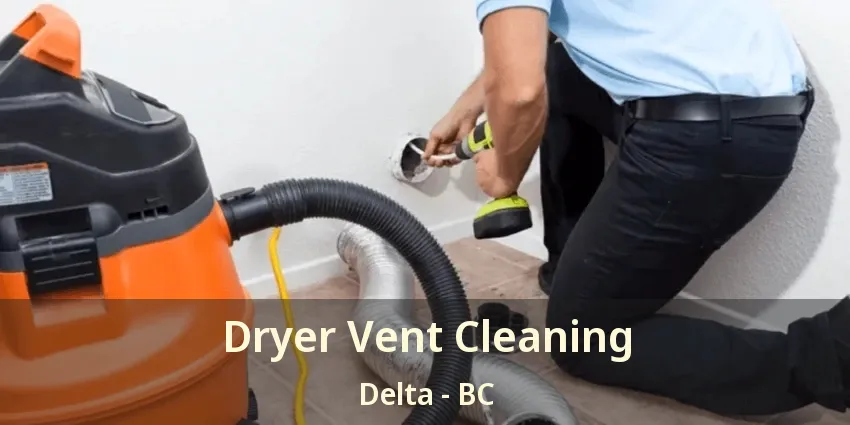
During dryer vent cleaning, the technician clears lint from the whole path between the dryer and the outside of the house. A typical visit starts with moving the dryer out and disconnecting the hose. The duct is then cleaned with rotating brushes and strong airflow, often from both the inside and the outside opening, and the loosened lint is collected with a vacuum. The hose and the outside hood get the same attention. Finally, the dryer is reconnected, pushed back carefully and run for a few minutes to confirm good airflow. You should see what came out and hear what was found.
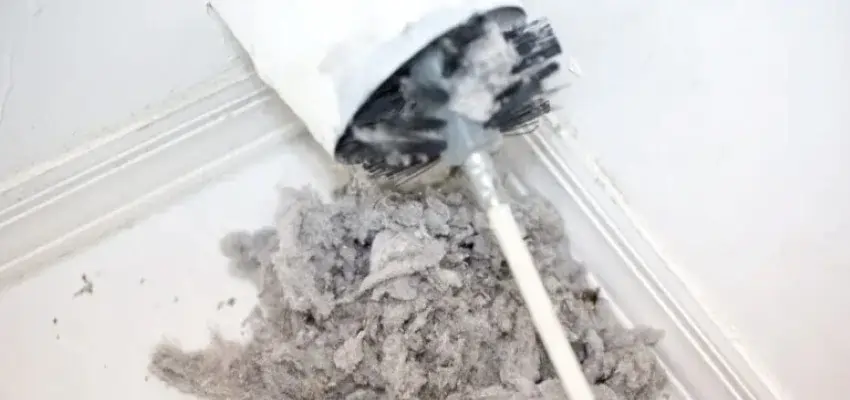
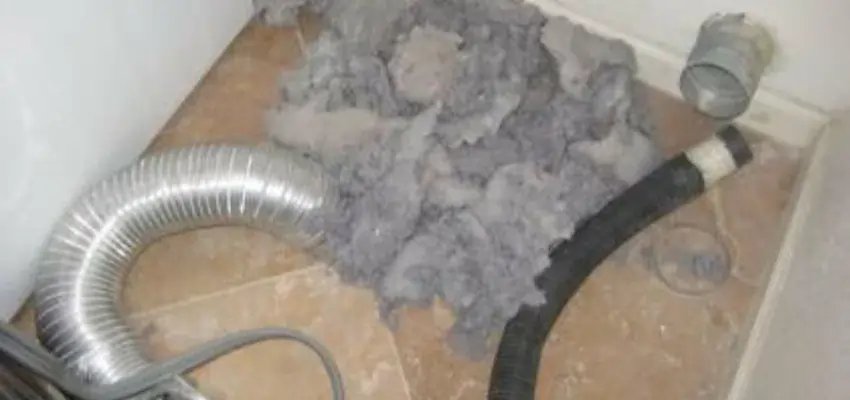
Mostly lint, but rarely only lint. A typical haul is gray fluff mixed with pet hair, often packed into felt-like plugs at the elbows. Damp vents give up a sticky paste of fibers and dryer-sheet residue. Other finds include coins, hair ties and small items that slipped past a torn screen, twigs and grass from a nest and the odd insect at the outside hood. The debris tells a story: a heavy, dry layer points to a long gap since the last cleaning, while wet clumps hint at condensation. Ask to see what came out after your “dryer vent cleaning” visit, since it helps set the next date.
We do need someone on site for the indoor part, which is most of the job. The dryer has to be moved, its connection checked and the machine run afterward to confirm airflow, and we prefer to do that with the owner or a trusted adult present. The outside hood can sometimes be cleaned while you are out, but only that part. At the end, we like a short conversation about what came out of the duct and anything we noticed. That chat is often the most useful few minutes of the visit for homeowners deciding what comes next.
Comparing dryer vent quotes is easiest when each one covers the same work. Check whether the price includes the whole run from the dryer to the outside, the transition behind the machine and the exterior hood, and whether it changes for roof exits, long runs or heavy buildup. Look at how repairs and parts would be priced if they turn out to be needed. A quote that seems much lower than the rest may leave out part of the vent or add charges on site. The clearest quotes are written, specific to your home and explained without pressure to decide on the spot.
If we were hiring someone for our own homes, we would listen to how they talk about the vent. A company that knows the work asks about the route, the exit point and the dryer type before quoting. It explains how it will clean, not just that it will. It shows you the lint and the airflow difference afterward and tells you plainly when something needs fixing. Tidy work matters too, because lint gets everywhere if equipment is handled carelessly. Clear communication on the phone is usually a good preview of how the visit itself will go.
Tenants rely on things working, and owners want clear records. We coordinate access, keep the visit short where we can and send a plain summary afterward. Request dryer vent service for your property and tell us how to reach the occupants.
Clearer draft, cleaner flue: Chimney Cleaning for Delta homes
Enjoy the fire after Chimney Sweep in Delta
Complete Chimney Sweep Services for Delta homeowners
Wood units, stoves and inserts: Fireplace Experts serving Delta
Fireplace smell at startup? Gas Fireplace Cleaning in Delta
Burner ports, pilot hood, glass: Gas Fireplace Maintenance around Delta