A few quick answers help us understand your home, so we can give you a clear, upfront quote for Chimney Liner Services Delta
Older brick chimneys and newer factory-built ones wear out in different ways, yet the questions owners ask about them are surprisingly alike. How bad is it? Can it be fixed instead of replaced? Is the fireplace safe to use in the meantime? This page answers those questions for people in Delta researching “chimney liner services”, with plain detail on chimney liner service and the factors that change the plan from one house to the next.
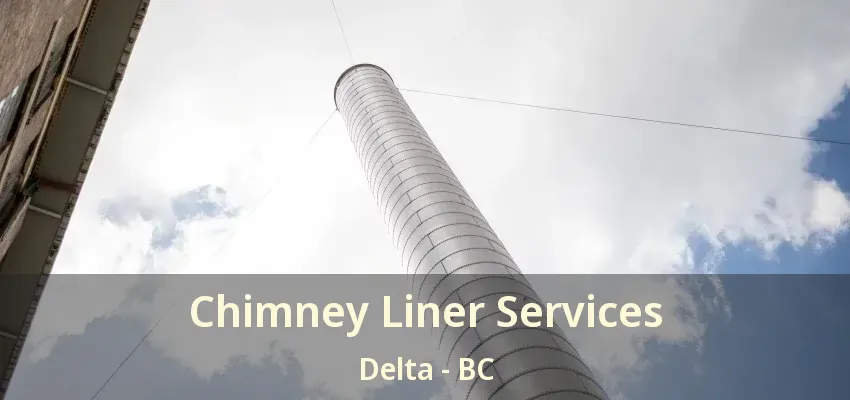
A chimney needs a liner because brick and mortar are not built to handle direct heat and corrosive exhaust on their own. The liner, whether clay tile, stainless steel or a cast-in-place material, forms a smooth channel inside the chimney that keeps heat away from nearby wood framing, contains sparks and stops acidic condensation from eating into the mortar. A properly sized liner also helps the fire or appliance draft well. Many older chimneys have clay tiles that have since cracked, and an unlined or damaged flue is generally considered unsafe to use until it has been repaired or relined.
Sometimes yes, often no, and the deciding factor is whether the damage touches the path the smoke takes. A chipped brick on the outside of the stack is not going to change how the fire drafts tonight. A broken flue tile, a liner with gaps, a crown that lets rain pour into the flue or a fan that has stopped running can. When we are asked this on the phone, we usually suggest leaving the fireplace or stove cold until the chimney has been checked. A few quiet evenings cost nothing, and a carbon monoxide alarm near the bedrooms is cheap protection in any home with a fuel-burning appliance.
Tile shards in the firebox, a smoky odor in the next room and draft that suddenly turns weak are the usual signs, but only a camera run up the flue shows the liner’s real condition. On that video we look for vertical cracks in clay tiles, gaps at the joints where mortar has fallen out, tiles that have shifted out of line and surfaces flaking from heat or acidic condensation. Stainless liners can corrode or separate at a connection. Settling of the chimney and old, unnoticed flue fires are common causes. Any of these clues deserves a proper look before the flue is used again.
There are three main types of chimney liner: clay tile, metal and cast-in-place. Clay tiles are common in older masonry chimneys and work well until they crack or shift, but replacing them inside an existing chimney is difficult. Stainless steel liners, rigid or flexible, are the usual choice for relining because they can be lowered down the existing flue, connected at the bottom and capped at the top, often with insulation wrapped around them. Cast-in-place liners use a cement-like mixture formed inside the flue. The right choice depends on the appliance, the flue size and the chimney’s condition.
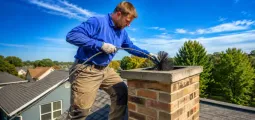
It depends on the part being repaired. Caps, crowns, flashing, upper masonry, chase covers, chimney fans and top-sealing dampers are reached from the roof or from ladders set against the chimney. Throat dampers, fireboxes, ash dumps, cleanout doors and many vent connections are handled from inside the house or at ground level. Roof work is planned around the weather, the pitch of the roof and safe ladder placement. Homeowners should not climb up to inspect or repair a chimney themselves; binoculars from the yard or the technician’s photos will tell you what you need to know.
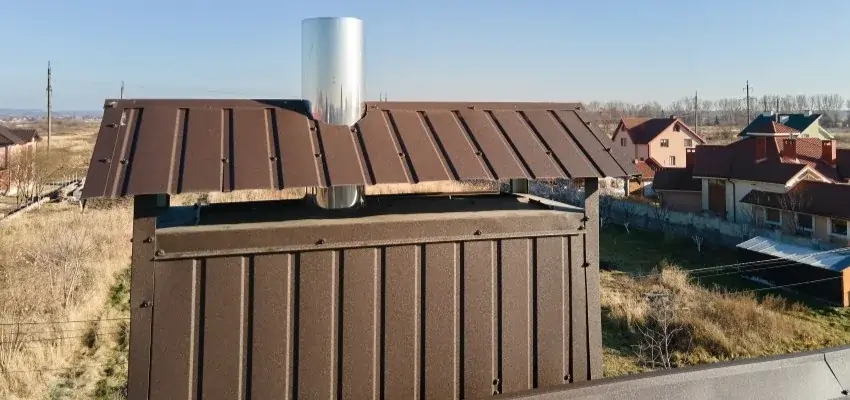
Anything from a morning to several days, depending on the part, the access and the material. A damper repair or cap swap rarely keeps us past lunch. Flashing and chase covers depend on the roof, so a steep pitch or fragile shingles add hours. Masonry is the slow one, not because the work itself drags but because mortar and crown concrete need dry, mild weather and time to firm up between steps. A full rebuild above the roofline can stretch over several visits. When we quote, we give you a working estimate and tell you plainly what could push it longer, such as hidden damage.
A good stainless steel liner can last for many years when it is the right grade for the fuel, properly installed and kept clean. Lifespan shortens when a liner is undersized, when it serves an appliance it was not made for or when acidic condensation and creosote are left to sit inside it. Insulating the liner helps it stay warmer, which reduces condensation and buildup. Clay tile liners can also last a long time until a chimney fire or settling cracks them. Ask about the liner’s grade and the appliance it is meant for during chimney liner service, and keep the paperwork on file.
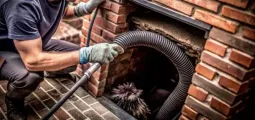
The fireplace or appliance on that flue is out of use for the visit and sometimes for a short time after. The crew usually cleans the flue first, then works from the roof to lower the liner and from inside to connect it, so expect drop cloths at the hearth and someone on the roof for much of the day. Many single-flue relines are finished in one visit, while chimneys needing tile removal or cast-in-place work take longer. Plan around the heating season if possible. Before booking “chimney liner services”, ask when the appliance can safely be used again and what the crew will need from you.
Local crews know the chimneys in the area, and that knowledge saves time and guesswork. Working the same streets season after season, we learn which subdivisions have tall chimneys on steep roofs, which builders used flat chase covers that rust and which older districts still have original clay liners. That history makes the first diagnosis faster and quotes more accurate. Being close by also means we can come back to check a repair after heavy rain without it becoming a major trip. When you call Chimney Sweep Delta, you reach people who work on chimneys around Delta every week.
Start with whatever you noticed, even if it seems minor. A short description is enough for us to suggest the right kind of visit for your chimney. Call (778) 403-2904 and the Chimney Sweep Delta team will guide you from there.
Clearer draft, cleaner flue: Chimney Cleaning for Delta homes
Enjoy the fire after Chimney Sweep in Delta
Complete Chimney Sweep Services for Delta homeowners
Wood units, stoves and inserts: Fireplace Experts serving Delta
Fireplace smell at startup? Gas Fireplace Cleaning in Delta
Burner ports, pilot hood, glass: Gas Fireplace Maintenance around Delta