A few quick answers help us understand your home, so we can give you a clear, upfront quote for Chimney Flashing Services Delta
Maybe you spotted a stain on the ceiling beside the fireplace, a few brick chips on the roof or a damper that will not budge. Small discoveries like these send many homeowners in Delta looking up “chimney flashing services” to find out how serious the problem really is. The answers below explain how chimney flashing repair works, what tends to cause the damage in the first place and which details matter when you talk to a company about fixing it.
It depends on the damage, so the safe default is to hold off until someone has looked at it. Cosmetic problems on the outside, such as a stained brick face, rarely affect how a fireplace works. Damage inside the flue, a cracked liner, a damper stuck shut or a blocked vent is different, because smoke and hot gases may not leave the house the way they should. If you notice smoke spilling into the room, a strong smell or soot where there was none before, stop using the fireplace. Keep working carbon monoxide alarms on every level of the home either way.
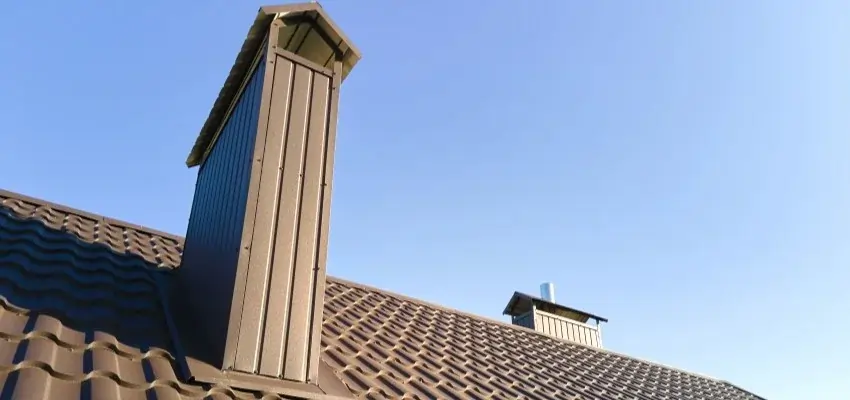
A leaking chimney almost always has one of a few causes: a missing or damaged cap, a cracked crown, failed flashing where the chimney meets the roof, or porous bricks and mortar soaking up rain. On factory-built chimneys, a rusted or flat chase cover is a frequent culprit. Water may show up far from where it enters, running along the flue or the framing before it appears as a stain. Note when the leak happens, whether in every rain or only when wind blows from one direction, and where you see it. Those details help narrow down the source quickly.
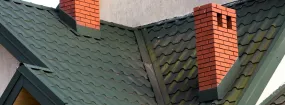
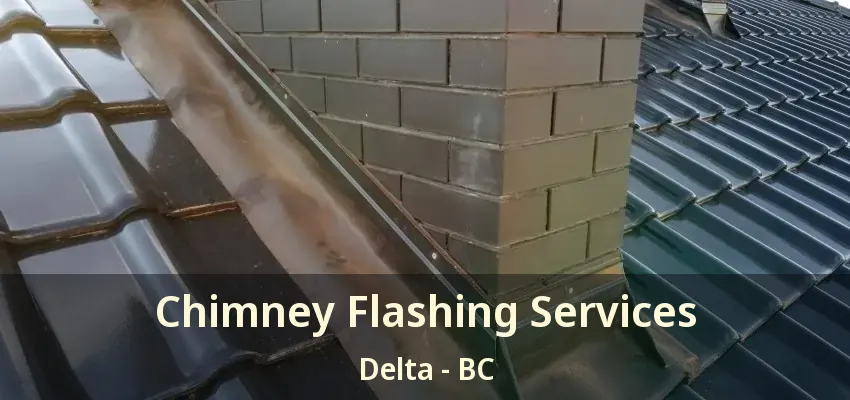
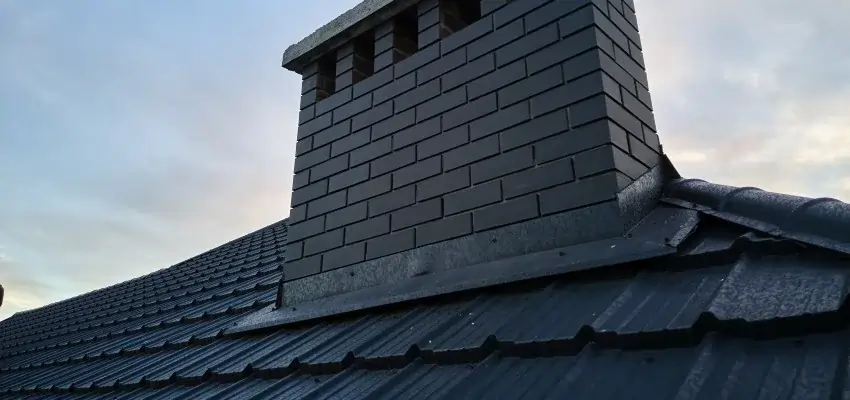
The signs we trust most are darkened wood beside the chimney in the attic and lifted or caulk-covered metal where the chimney meets the roof. Flashing is a weak spot because it joins two things that move differently: a heavy masonry stack and a roof that shifts with the seasons. Done properly, it has two layers, step flashing woven in with the shingles and counter-flashing set into the mortar joints and folded down over it. Trouble starts when one layer is missing, when everything relies on caulk or when roofers reused tired metal during a reroof.
A cricket, also called a saddle, is a small peaked structure built on the uphill side of a chimney so rain and snow split and flow around it instead of piling up against the brick. It is framed, sheathed and covered with metal or roofing, then tied into the flashing. Wide chimneys and chimneys on low-slope roofs benefit most, because water and debris collect behind them. Signs that one is missing include leaves packed behind the chimney and leaks that appear on the uphill side. If you are comparing quotes for “chimney flashing services”, ask whether a cricket is included or recommended.
Resealing suits a joint that is sound but tired; replacement is right when the flashing has rusted, was nailed straight into the brick face or depends entirely on a thick smear of roofing tar. A proper replacement starts by removing the old metal and lifting shingles on all sides. New step flashing goes in course by course with the shingles, counter-flashing is let into a cut mortar joint and bent down over it, and the uphill side gets a cricket on wider chimneys so water cannot pool there. Matching the roofing material and color keeps the repair from standing out.
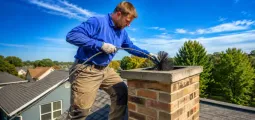
Not every repair needs the roof, and when one does, we plan safe access before we arrive. Work at the top of the stack means ladders, roof brackets or harnesses tied to a secure anchor, plus soft-soled footwear and pads to protect shingles. Steep or high roofs may call for extra equipment or a second technician. Wet, icy or very windy weather puts roof work on hold, because no repair is worth a fall. Jobs at the bottom of the chimney, such as an ash dump, a throat damper or a stove connection, keep us indoors, where the main concern is protecting floors and furniture from soot and dust.
The cost of chimney repair depends mostly on the part being fixed, how much damage there is and how hard the chimney is to reach. A tall chimney on a steep roof needs more equipment and time than a short one on a gentle slope. Materials vary too: stainless steel, copper and custom-sized parts cost more than standard ones, and masonry work depends on how many joints or bricks are involved. Hidden damage found once work begins, such as rotted framing under a chase cover, can add to the total. A written quote that spells out the scope makes comparisons easier.
Well-installed metal flashing often lasts as long as the roof around it, sometimes longer, while the sealant along the counter flashing usually needs renewing sooner. Lifespan depends on the metal, how it was fastened, sun exposure and whether the chimney moves or settles. Flashing that relies on tar or caulk instead of proper overlaps may start leaking within a few seasons. A check during each yearly chimney inspection, looking for lifted edges and cracked sealant, is the simplest way to stay ahead of it. Small reseals during chimney flashing repair cost far less than repairing a soaked ceiling later.
When booking chimney repair, describe what you have noticed and where, because those details shape the visit. Mention whether the chimney is brick, stone or a factory-built system in a framed chase, what it serves, such as a wood fireplace, gas fireplace, stove or furnace, and roughly how tall the house is. Say when the problem started, whether it gets worse with rain or wind and whether anything has been repaired before. Pictures of the chimney from the ground and of any stains or damage inside help the company bring the right parts and give a realistic time estimate.
Sometimes the right call is a small fix, sometimes a bigger job and sometimes nothing at all. We tell you which one applies to your chimney and why. Ask Chimney Sweep Delta for advice and decide in your own time.
Clearer draft, cleaner flue: Chimney Cleaning for Delta homes
Enjoy the fire after Chimney Sweep in Delta
Complete Chimney Sweep Services for Delta homeowners
Wood units, stoves and inserts: Fireplace Experts serving Delta
Fireplace smell at startup? Gas Fireplace Cleaning in Delta
Burner ports, pilot hood, glass: Gas Fireplace Maintenance around Delta