A few quick answers help us understand your home, so we can give you a clear, upfront quote for Chimney Fan Services Delta
Our crews hear the same questions on almost every roof and in almost every living room, so we wrote them down. If “chimney fan services” is what brought you here, you will find honest explanations of chimney fan service for homes around Delta, the kind a technician would give while pointing at the chimney itself. Some answers deal with safety, some with cost factors and timing, and a few simply explain how the parts of a chimney work together.
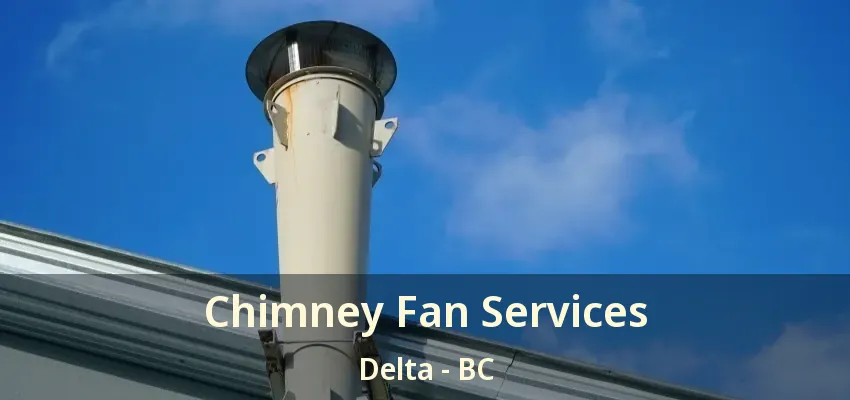
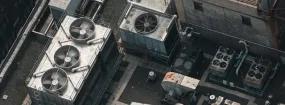
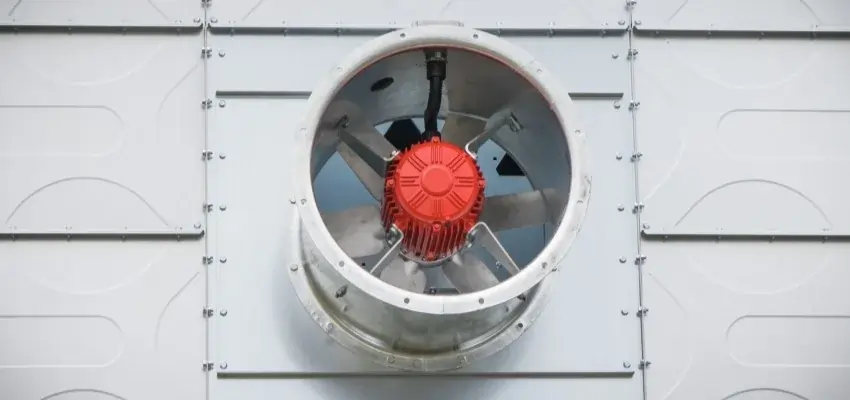
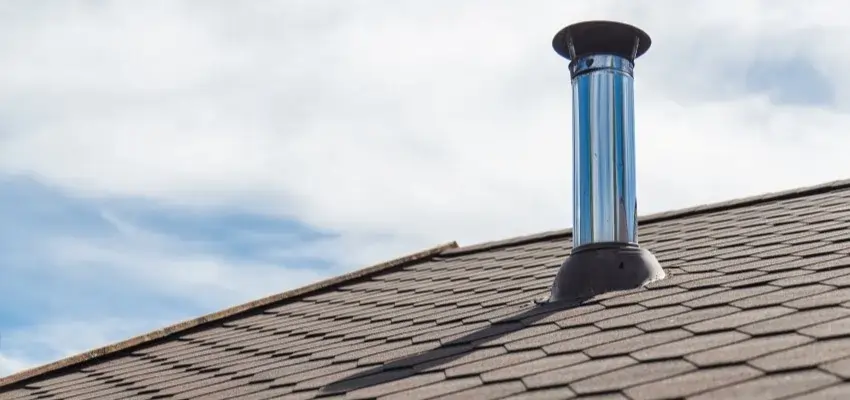
A chimney fan is an electric exhaust fan mounted on top of the chimney that pulls smoke and gases up the flue. It helps when natural draft is too weak, which can happen with short chimneys, chimneys sheltered by taller rooflines or trees, oversized fireplace openings and tightly sealed homes. You control it from a switch or speed dial indoors. It can solve many smoking fireplaces, but not all of them: a blocked flue, a closed damper or a crumbling liner has to be fixed first, because a fan only moves air through a path that is already clear and sound.
Many chimney fans are designed for wood-burning fireplaces and stoves, and some models are made for gas appliances, but the fan must suit both the appliance and the flue. Size, temperature limits and safety controls differ between models. Some installations include a switch that shuts the appliance down if the fan stops, which matters most with gas. The venting of any gas appliance should be reviewed by a qualified gas technician before a fan is added. When you ask about “chimney fan services”, describe exactly what burns in that chimney so the company can confirm the fan type before quoting.
A masonry chimney has more parts than most people realize, and each one can need repair on its own. From the top down, you will usually find:
Inside the house sit the damper, the smoke chamber, the firebox and sometimes an ash dump. Factory-built chimneys swap the brick for a metal flue inside a framed chase with a metal cover on top.
The most obvious sign is the return of the problem the fan was meant to solve: smoke drifting into the room or a stove that struggles to draw. Other clues include new noises such as grinding, squealing or rattling from the roof, a fan that starts slowly or not at all, vibration you can feel in the chimney and a speed control that seems to have no effect. If the fan sounds damaged, stop adding fuel and let the fire burn out before switching the fan off, since some chimneys cannot draw well without it. Keep carbon monoxide alarms working, open a nearby window if smoke spills and arrange chimney fan service; a fan wheel or motor can often be repaired or replaced without changing the whole unit.
Stains, debris and stiff moving parts inside the house are usually the first signs, long before anything looks wrong from the yard. A water mark on the ceiling beside the chimney, a musty smell when it rains, flakes of tile or mortar in the firebox and a damper that has gone stiff all point to something above. Outside, white chalky deposits on brick tell us water is moving through the masonry, and dark streaks below the cap or chase cover suggest rust. Smoke that hangs at the fireplace opening points to a draft problem. We trace each clue back to its source before suggesting any repair.
Smoke rolls into the room when the chimney’s pull is weaker than the forces pushing air back down, and our job is finding out which side of that balance is off. On the chimney side, we look for blockages, a flue sized wrong for the opening, a stack that ends below a nearby roof peak and missing or clogged air supply vents. On the house side, kitchen and bathroom exhaust fans, a running clothes dryer and an airtight modern envelope can all create negative pressure. Sometimes the cure is a fresh-air vent, sometimes a chimney fan, and occasionally just cleaning a clogged cap.
The repairs we make hold up longest when the rest of the chimney system is looked after too. That means a cap that stays in place with clear mesh, a crown kept free of leaves and moss, flashing left alone by anyone doing roof work and regular sweeping if you burn wood, because creosote and moisture attack the inside of the flue. We tell homeowners exactly how long to wait before the first fire after masonry work. After that, a glance at the chimney from the yard after big storms and a professional look once a year usually keeps surprises to a minimum.
Most chimney repairs are not do-it-yourself jobs, mainly because they involve working at height on a roof or inside the flue, where mistakes affect safety. What homeowners can do safely is watch and report: look at the chimney from the ground with binoculars, check the attic and walls near the chimney for stains after rain, keep the hearth area clear and open and close the damper now and then to make sure it moves freely. Leave masonry, flashing, caps, liners, fans and anything connected to a gas appliance to a professional. Patching with roofing tar usually hides a problem rather than fixing it.
Comparing chimney repair quotes is easiest when each one describes the same work. Check that every quote names the parts being repaired, the materials, how far the work extends, for example the whole chimney or just the top courses, and whether clean-up, disposal and any permits are included. Look at how each company would handle extra damage found during the job. A much lower quote often covers less: a sealant coating instead of a new crown, or patching a few joints instead of repointing the weathered side. A fair quote is specific, in writing and explained without pressure.
We would rather you book the service you actually need than the biggest package on the list. Tell us what is going on and we will explain what we recommend for your chimney and why. Call (778) 403-2904 to speak with the team serving Delta.
Clearer draft, cleaner flue: Chimney Cleaning for Delta homes
Enjoy the fire after Chimney Sweep in Delta
Complete Chimney Sweep Services for Delta homeowners
Wood units, stoves and inserts: Fireplace Experts serving Delta
Fireplace smell at startup? Gas Fireplace Cleaning in Delta
Burner ports, pilot hood, glass: Gas Fireplace Maintenance around Delta