A few quick answers help us understand your home, so we can give you a clear, upfront quote for Chimney Cover Services Delta
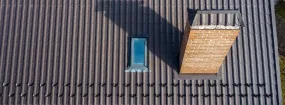
A chimney stands out in the open all year, taking rain, wind, sun and, in many places, hard freezes with no shelter at all. Sooner or later something on it needs attention, whether that is a loose cap, a tired mortar joint or a part inside the flue. If you searched for “chimney cover services”, this page gathers the questions homeowners in Delta ask most often about chimney cover service, answered plainly so you can judge what your own chimney needs and what can wait.
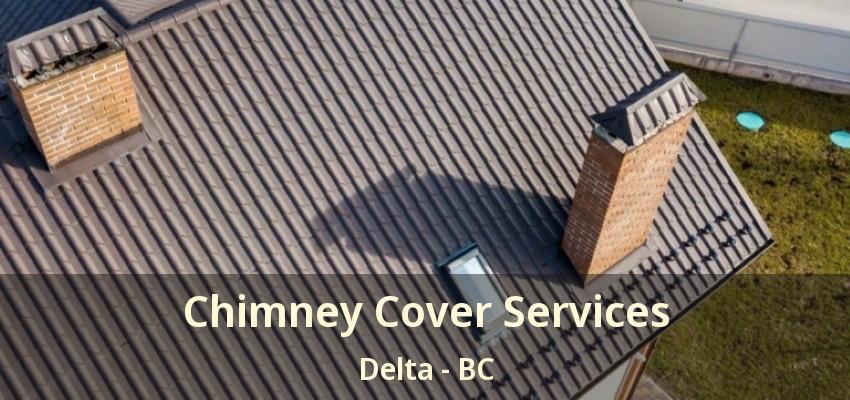
Sometimes yes, often no, and the deciding factor is whether the damage touches the path the smoke takes. A chipped brick on the outside of the stack is not going to change how the fire drafts tonight. A broken flue tile, a liner with gaps, a crown that lets rain pour into the flue or a fan that has stopped running can. When we are asked this on the phone, we usually suggest leaving the fireplace or stove cold until the chimney has been checked. A few quiet evenings cost nothing, and a carbon monoxide alarm near the bedrooms is cheap protection in any home with a fuel-burning appliance.
Chimney repair is important because a chimney has two jobs that both depend on it being sound: carrying smoke and combustion gases out of the house, and keeping rain and snow out of the structure. A cracked crown, a loose cap or a failing seal lets water into the masonry, the roof framing and the walls around the fireplace, and that kind of damage spreads quietly. A fault inside the flue can let heat or gases reach places they should not. A fireplace that still lights is no proof that everything is fine, so it pays to fix small problems while they are still small and inexpensive.
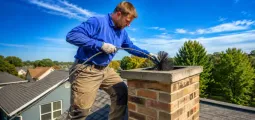
A well-fitted cover with intact mesh keeps most animals out, but it only works while it stays sound. Squirrels and raccoons test weak points, so a cover with a bent corner, a torn screen or a gap at the base can be pried open. Mesh openings need to be small enough to stop birds yet large enough not to clog with soot. Checking the cover once a year, ideally during a sweep, catches damage early. If animals are already inside, they need to be removed before the cover goes on. A thorough chimney cover service visit includes checking every side of the mesh, not just the top.
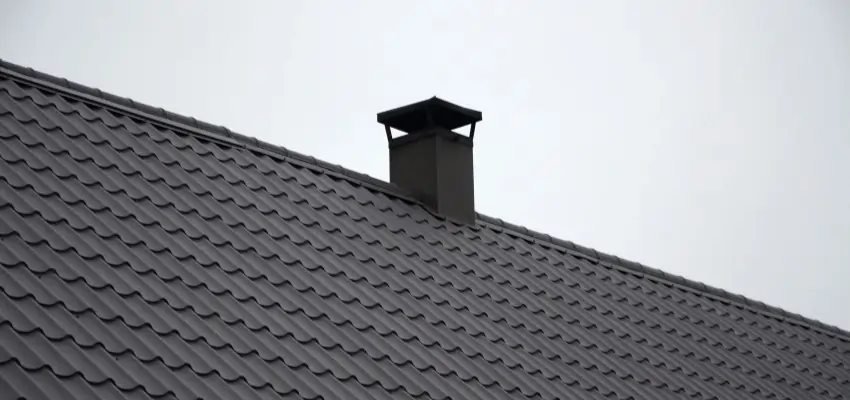
We replace caps for three main reasons: corrosion, storm damage and the wrong fit. Painted or galvanized steel caps rust at the seams and screen, and once the mesh breaks apart, animals and debris walk right in. Wind and falling branches can knock a cap loose or tear it off, especially if it was held by a single screw. Fit matters too: a cap that does not match the flue can rattle loose, choke the draft or leave gaps at the sides. Sometimes the mesh is simply plugged with creosote; in that case we clean it and explain why it clogged.
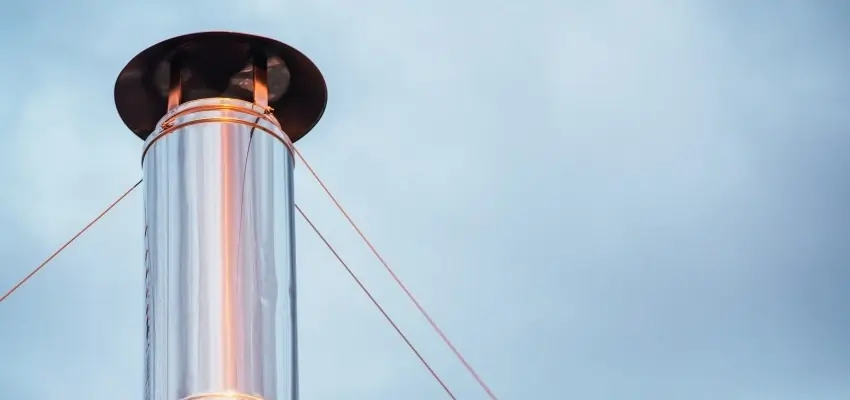
Chimney caps come in a few main materials and styles. Stainless steel is a common choice because it resists rust for many years; copper looks distinctive and also lasts a long time; galvanized or painted steel costs less up front but tends to rust sooner. Single-flue caps fit over one flue tile, while multi-flue or full-width caps cover the whole top of the chimney. Mesh size matters too, since very fine screens clog faster. A new cap is measured to the flue or crown and fastened securely so wind cannot lift it, which is why careful measuring comes before ordering.
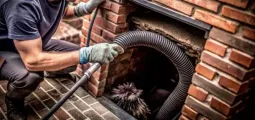
A chimney repair visit normally starts with an inspection to confirm the problem and check for anything related. The technician protects the area around the fireplace and, for exterior work, sets up ladders or roof anchors. Then the damaged part is removed or prepared, whether that means grinding out mortar, cutting away old sealant, unbolting a cap or opening a damper assembly. New materials go in, and the work is checked for fit and weathertightness. At the end you should see the finished work or photos of it and hear about anything else that turned up along the way.
A common guideline is to have a chimney inspected once a year, and many homeowners schedule it before the colder months when the fireplace sees more use. Yearly checks catch small problems such as a loosening cap, a new crack in the crown or a worn mortar joint before they let water in. It also makes sense to have the chimney looked at after a major storm, a chimney fire, a roof replacement or any change of insert, stove or appliance. Chimneys that are rarely used still need checking, because weather damages them whether or not you light fires.
When booking chimney repair, describe what you have noticed and where, because those details shape the visit. Mention whether the chimney is brick, stone or a factory-built system in a framed chase, what it serves, such as a wood fireplace, gas fireplace, stove or furnace, and roughly how tall the house is. Say when the problem started, whether it gets worse with rain or wind and whether anything has been repaired before. Pictures of the chimney from the ground and of any stains or damage inside help the company bring the right parts and give a realistic time estimate.
Usually, yes. A cover fastened to a crumbling or badly cracked crown may not stay secure, and sealing the crown is easier before the cover is in the way. Minor hairline cracks can often be sealed the same visit, just before installation. A crown that is broken through may need rebuilding first, with the cover fitted once the new surface has cured. Ask the company to check the crown during the quote visit so both jobs can be planned together. People researching “chimney cover services” are often surprised that the crown matters as much as the cover, but the two work as one unit.
We agree on the scope and the price before any work begins, and we check in with you if we find something that changes the plan. Request your quote for chimney cover service and see exactly what is included for your home.
Clearer draft, cleaner flue: Chimney Cleaning for Delta homes
Enjoy the fire after Chimney Sweep in Delta
Complete Chimney Sweep Services for Delta homeowners
Wood units, stoves and inserts: Fireplace Experts serving Delta
Fireplace smell at startup? Gas Fireplace Cleaning in Delta
Burner ports, pilot hood, glass: Gas Fireplace Maintenance around Delta