A few quick answers help us understand your home, so we can give you a clear, upfront quote for Chimney Ash Dump Services Delta
Chimney problems are hard to judge from the ground, and climbing up for a closer look is not something we recommend. A clear explanation is the safer first step. This page covers what people in Delta usually want to know after a search for “chimney ash dump services”: what tends to go wrong, what a repair visit involves, what affects the price and how to tell a careful company from a hasty one. It is written to help you understand ash dump service, not to push you into it.
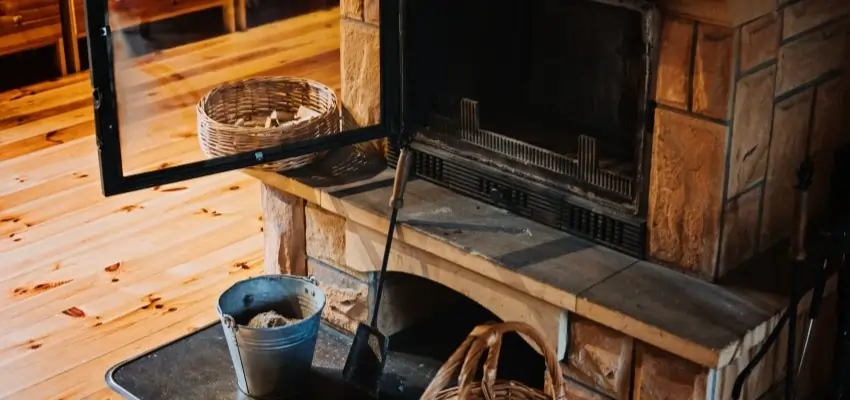
An ash dump is a small metal door set into the floor of a masonry firebox. When the ashes have cooled completely, you sweep them through the opening and they drop into an ash pit, a hollow space built into the base of the chimney. The pit is emptied through a cleanout door, usually in the basement or on the outside of the chimney near the ground. It saves carrying ash through the house. The dump door should sit flat and close fully, and the cleanout door should seal, otherwise drafts, water or small animals can find their way in.
Water in an ash pit usually means the chimney above is letting rain in, often through a missing cap, a cracked crown or failing flashing, and the moisture can rust the doors and turn the ash heavy and sour-smelling. Droppings, nesting material or scratching sounds suggest a cleanout door that no longer closes tightly or a gap in the masonry near the ground. Either finding is a reason to look beyond the pit itself. During ash dump service, the technician should trace the source, not just shovel out the mess, so the problem does not return within a season.
Yes, in most fireplaces. Ash dump doors come in several common sizes, usually cast iron, and many have a pivoting lid that sits in a frame set into the firebox floor. If only the lid is missing or bent, a matching lid can often drop into the existing frame. If the frame itself is cracked or loose, it is chipped out and a new one is set in refractory mortar. The cleanout door at the bottom of the pit can be replaced the same way. Homeowners searching for “chimney ash dump services” can speed things up by measuring the opening or sending a photo.
We run repairs in a set order: confirm, protect, fix, test, explain. Confirming means checking the chimney ourselves rather than relying only on the phone description, because the cause of a leak or a stuck part is not always where it seems. Protecting covers drop cloths inside and care around shrubs and shingles outside. The repair itself depends on the part involved. Testing might mean running water over new flashing, cycling a damper several times or checking draft with a little smoke. We finish by walking you through what we did and showing photos of areas you cannot see from the ground.
A common guideline is to have a chimney inspected once a year, and many homeowners schedule it before the colder months when the fireplace sees more use. Yearly checks catch small problems such as a loosening cap, a new crack in the crown or a worn mortar joint before they let water in. It also makes sense to have the chimney looked at after a major storm, a chimney fire, a roof replacement or any change of insert, stove or appliance. Chimneys that are rarely used still need checking, because weather damages them whether or not you light fires.
Preparing for chimney repair mostly means clearing access inside and out. Stop using the fireplace or stove at least a day before so the firebox and flue are cool, and move decorations, screens, tools and furniture away from the hearth. Outside, move vehicles, patio furniture, planters and grills away from the side of the house where ladders will go, and unlock any gates. Let the company know about pets, an alarm system or anything fragile near the chimney. If the job involves the attic or basement, such as tracing a leak or emptying an ash pit, clear a path there too.
Mostly no: the useful homeowner jobs happen on the ground, not on the roof. Spotting problems early is genuinely valuable, whether that means snapping photos of the chimney top after storms, shining a flashlight at the damper or keeping an eye on the ceiling near the fireplace. Where DIY goes wrong is up top. We regularly undo store-bought sealants smeared over cracks, caps held on with a single screw and mortar patches that trap water. Liner work, flue repairs and gas appliance venting have safety consequences inside the home, so those belong with trained technicians from start to finish.
Pick the company that gives you specifics. One that knows chimneys asks what yours is made of and what burns in it before giving a figure, and it talks about the cause of a problem rather than just the symptom. On site, it should take photos from the roof and inside the flue, lay out the options and let you decide without pressure. Tidy work matters, since soot and mortar dust travel. Ask how follow-up questions are handled once the job is done, and whether the same crew will come back if something needs a second look.
Local crews know the chimneys in the area, and that knowledge saves time and guesswork. Working the same streets season after season, we learn which subdivisions have tall chimneys on steep roofs, which builders used flat chase covers that rust and which older districts still have original clay liners. That history makes the first diagnosis faster and quotes more accurate. Being close by also means we can come back to check a repair after heavy rain without it becoming a major trip. When you call Chimney Sweep Delta, you reach people who work on chimneys around Delta every week.
Our technicians work in homes across Delta and the surrounding area. When you reach out, we confirm a convenient arrival window, explain what the visit includes and answer any last questions before anyone arrives. Pick a time that suits you and we will take it from there.
Clearer draft, cleaner flue: Chimney Cleaning for Delta homes
Enjoy the fire after Chimney Sweep in Delta
Complete Chimney Sweep Services for Delta homeowners
Wood units, stoves and inserts: Fireplace Experts serving Delta
Fireplace smell at startup? Gas Fireplace Cleaning in Delta
Burner ports, pilot hood, glass: Gas Fireplace Maintenance around Delta